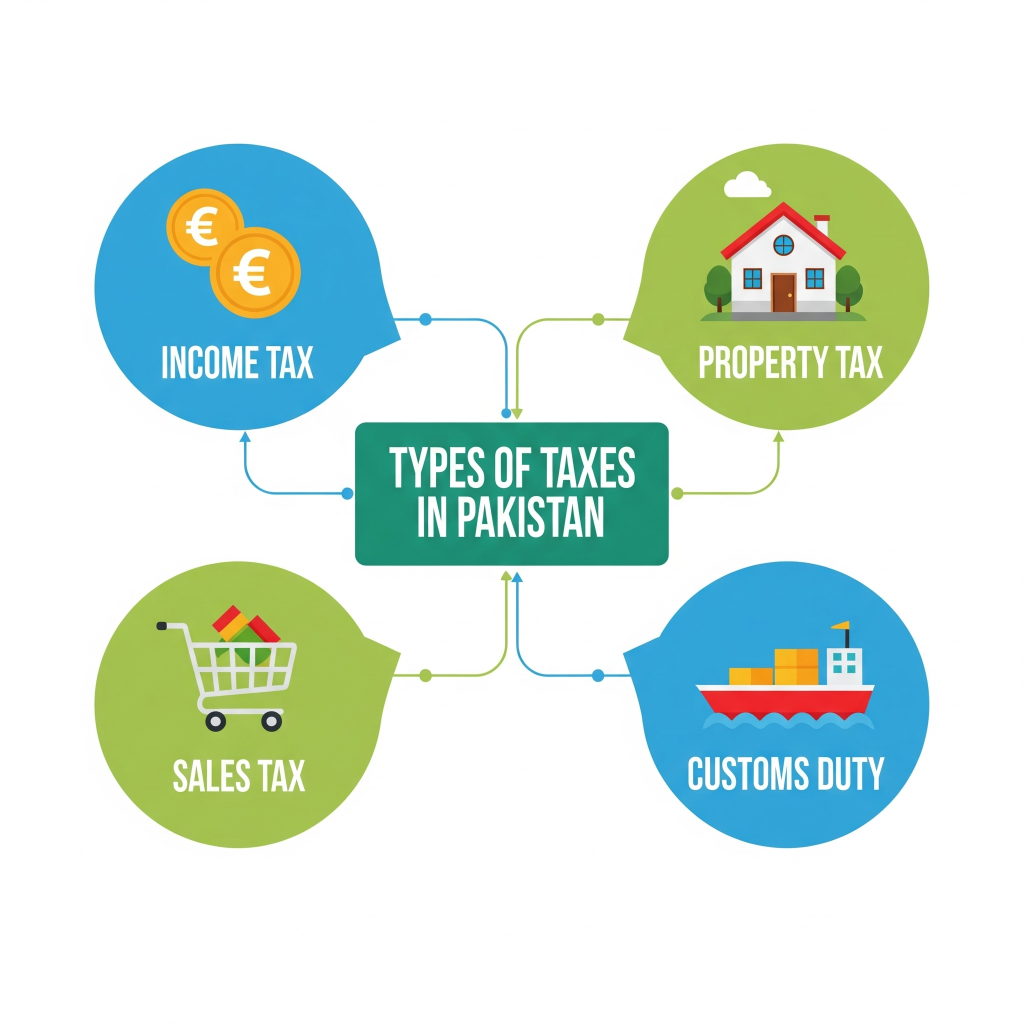

Tax Preparation Terms Made Simple for Pakistani Businesses
Tax preparation terminology in Pakistan has a way of making even confident business owners feel out of their depth. Between NTN, Withholding Tax, advance tax, tax year, and a dozen other terms tossed around by accountants and FBR notices alike, it's easy to nod along in a meeting without actually understanding what's being discussed — or worse, to miss something important because a term wasn't clear.
This confusion isn't a reflection of intelligence or business acumen — it's simply that tax vocabulary is rarely explained outside of professional circles. Yet understanding these terms directly affects your ability to ask the right questions, review your own filings for accuracy, and make informed decisions about your business's tax position throughout the year.
This guide works as a practical, plain-language glossary — walking through the essential income tax preparation terms every Pakistani business owner should understand, organized by where they show up in the real filing journey, from registration through to your annual return.
📑 Table of Contents
- Identity & Registration Terms
- Income & Assessment Terms
- Deduction & Credit Terms
- Tax Payment Terms
- Filing & Return Terms
- Compliance Status Terms
- Visual: The Tax Year Journey
- Quick Reference Table
- Commonly Confused Term Pairs
- Why Work With a Professional Tax Team
- Frequently Asked Questions
- Related Articles
1. Identity & Registration Terms
NTN (National Tax Number)
Your foundational tax identity with FBR. Every individual and business needs one before engaging in most formal tax activities, including filing returns or registering for Sales Tax.
IRIS Portal
FBR's online system where you register, file your annual return, and manage most tax-related activities. Think of it as your digital tax office.
Tax Year
The 12-month period your income is assessed for tax purposes — for most individuals and businesses, this runs July 1 to June 30, though companies can have a different fiscal year-end.
2. Income & Assessment Terms
Taxable Income
Your total income after allowable deductions and exemptions — this is the figure your actual tax liability is calculated on, not your gross income.
Heads of Income
The categories your income is classified into for tax purposes — salary, business income, property income, capital gains, and other sources. Different rules can apply to each.
Assessment
FBR's official determination of your tax liability for a given year, based on your filed return (and any subsequent review or audit).
3. Deduction & Credit Terms
Deduction
An expense you're legally allowed to subtract from your income before calculating tax — like business expenses, or specific allowable personal deductions.
Tax Credit
An amount subtracted directly from your calculated tax liability (not your income) — for example, credits for approved donations or specific investments, subject to conditions.
Exemption
Income that isn't taxed at all, regardless of amount — different from a deduction, which reduces taxable income rather than excluding it entirely.
4. Tax Payment Terms
Withholding Tax (WHT)
Tax deducted at the source of income or transaction by a "withholding agent" (employer, bank, client) before you receive payment, then deposited with FBR on your behalf.
Advance Tax
Tax paid in installments throughout the year based on estimated income, rather than waiting to pay the full amount at year-end — commonly applies to companies and certain other taxpayers.
Adjustable vs Final Tax
Adjustable tax (most WHT) can be credited against your total annual liability, with excess refundable. Final tax means the amount withheld is your complete tax obligation on that income — no further adjustment applies.
📊 Visual: Adjustable vs Final Tax
5. Filing & Return Terms
Income Tax Return
The formal annual declaration of your income, deductions, and tax liability, filed with FBR through the IRIS portal.
Wealth Statement
A declaration of your assets and liabilities as of the tax year-end, generally required alongside your return for individuals — it helps FBR track wealth growth against declared income.
Refund
Money owed back to you when the tax you've already paid (mostly via Withholding Tax) exceeds your actual calculated liability for the year.
6. Compliance Status Terms
Filer vs Non-Filer
A "filer" appears on FBR's Active Taxpayer List (ATL) after filing their return; a "non-filer" doesn't, and typically faces significantly higher Withholding Tax rates on many transactions as a result.
Active Taxpayer List (ATL)
The official, publicly searchable FBR list confirming who is currently a compliant filer — checked by banks, property registrars, and others before applying standard vs higher tax rates.
Audit
FBR's formal review of your filed return and supporting documentation, which can be triggered randomly, by risk criteria, or by specific red flags in your filing.
7. Visual: The Tax Year Journey
| Stage | Relevant Terms |
|---|---|
| Getting registered | NTN → IRIS Portal Account |
| Throughout the year | Withholding Tax deducted → Advance Tax paid (if applicable) |
| Determining what you owe | Heads of Income → Deductions → Exemptions → Taxable Income |
| Filing your return | Income Tax Return → Wealth Statement → Tax Credits Claimed |
| After filing | Assessment → Refund (if applicable) → Active Taxpayer List Status |
8. Quick Reference Table
| Term | One-Line Meaning |
|---|---|
| NTN | Your basic tax ID number |
| Taxable Income | Income after deductions/exemptions |
| WHT | Tax deducted before you receive payment |
| Advance Tax | Tax paid in installments during the year |
| Deduction | Expense subtracted from income |
| Tax Credit | Amount subtracted from tax owed directly |
| Wealth Statement | Your assets & liabilities declaration |
| ATL / Filer Status | Confirms you're a compliant taxpayer |
9. Commonly Confused Term Pairs
- Exemption vs Deduction: Exempt income is never taxed at all; deducted amounts are subtracted from otherwise taxable income
- Adjustable Tax vs Final Tax: One can be refunded if overpaid; the other is your complete obligation on that specific income, with no further adjustment
- Assessment vs Audit: Every filed return gets an assessment; only some get selected for a formal audit review
For a similar breakdown covering the distinct differences in filing obligations, see our guide: Individual vs Corporate Income Tax Filing.
10. Why Work With a Professional Tax Team
Understanding the vocabulary is a strong foundation, but applying these concepts correctly to your specific business requires ongoing expertise. Arshad Associates offers:
- Tax Preparation — Clear, accurate filing explained in plain language
- Individual Tax Filing — For salaried employees, freelancers, and sole proprietors
- Corporate Tax Return Filing — Full business compliance support
- Payroll Services — Accurate Withholding Tax handling on salaries
- Financial Planning & Analysis — Strategic guidance across your full tax picture
11. Frequently Asked Questions (FAQs)
Q1: What is the difference between taxable income and gross income?
Gross income is your total earnings before any adjustments, while taxable income is what remains after subtracting allowable deductions and exemptions — your actual tax liability is calculated on taxable income, not gross income.
Q2: What does it mean if my Withholding Tax is "adjustable"?
Adjustable Withholding Tax can be credited against your total annual tax liability when you file your return, and if the amount withheld exceeds what you actually owe, you're entitled to claim a refund for the difference.
Q3: What's the difference between a tax deduction and a tax credit?
A deduction reduces your taxable income before your tax is calculated, saving you tax at your applicable rate, while a tax credit is subtracted directly from your final calculated tax bill, generally providing a more direct reduction in what you owe.
Q4: Do I need to file a Wealth Statement along with my tax return?
Most individual taxpayers are required to file a Wealth Statement declaring their assets and liabilities alongside their annual income tax return, as it helps FBR verify that declared wealth growth aligns with reported income over time.
Q5: What's the difference between being assessed and being audited?
Every filed tax return goes through an assessment, which is FBR's determination of your tax liability based on what you declared; an audit is a more detailed, formal review of your return and supporting documents, which only some filings undergo.
Related Articles You May Find Useful
Talk to Arshad Associates for clear, expert tax preparation guidance.